Do Mini Splits Use a Lot of Electricity? The Real Cost to Run (2026)
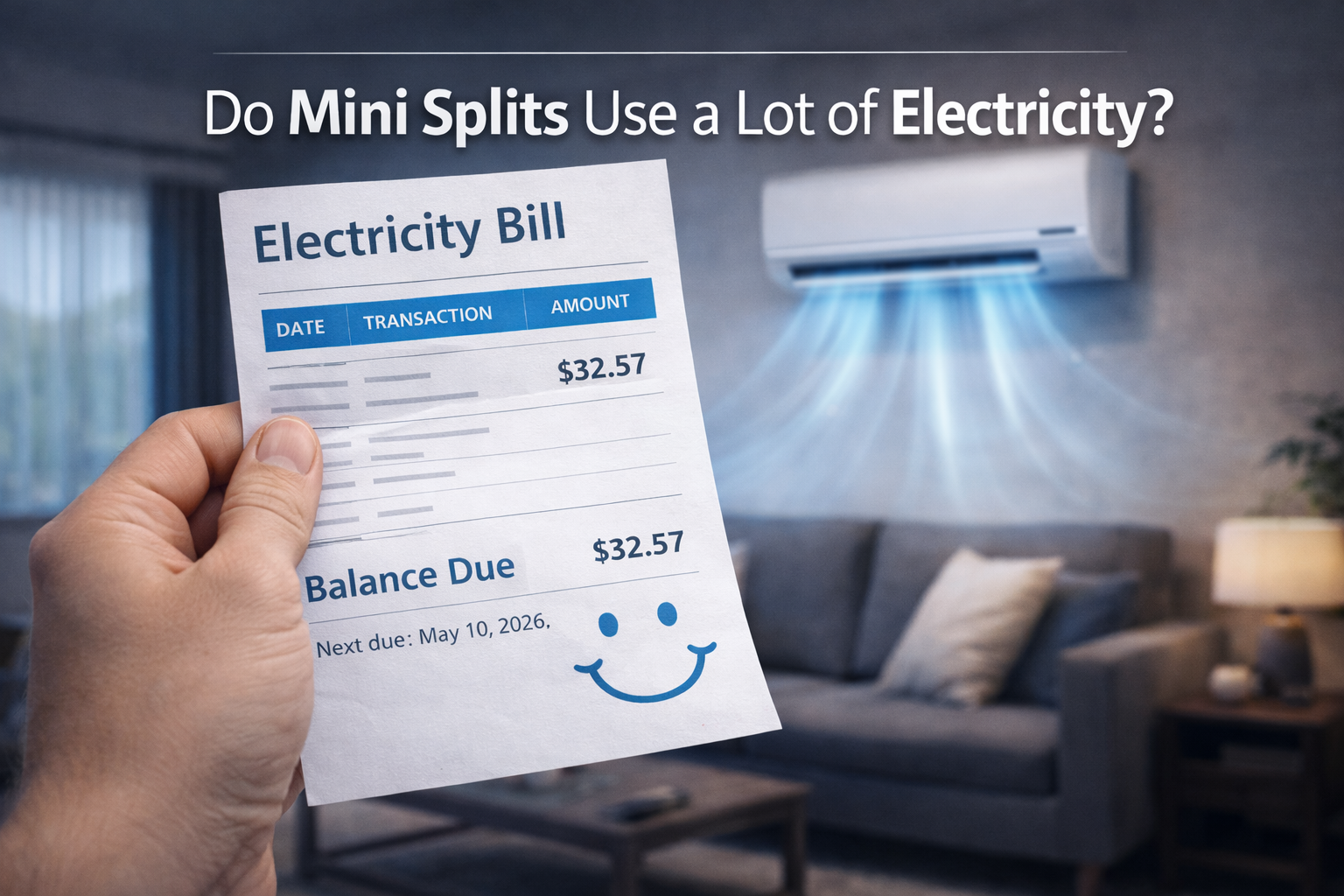
You are thinking about installing a ductless mini split, but a nagging question remains: “Is this thing going to skyrocket my electric bill?”
We have all been traumatized by old window AC units that dim the lights when they turn on and make the electric meter spin like a fidget spinner.
Here is the short answer: No. In fact, switching to a mini split is likely the single most effective way to lower your cooling costs.
In this guide, I will break down exactly how much it costs to run a mini split compared to central air and window units, and explain the “Magic Tech” that makes it possible.
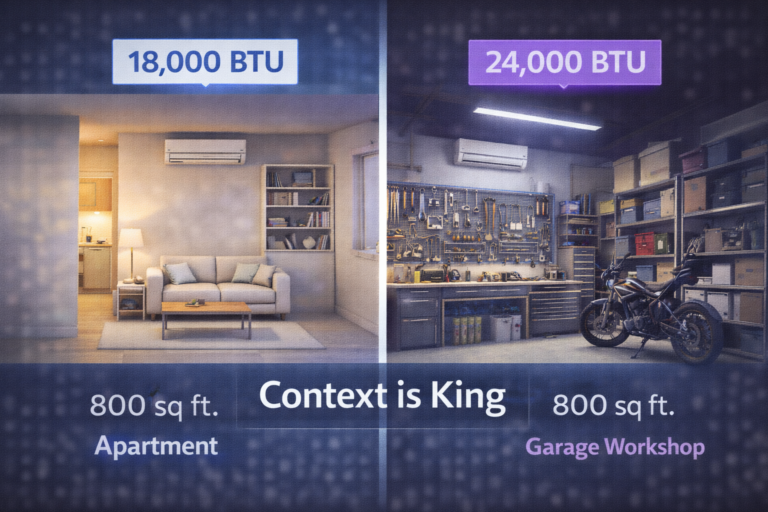
💰 Money Saving Tip: Efficiency depends on sizing. An oversized unit wastes energy starting and stopping. An undersized unit runs 100% of the time. Use our Free Mini Split Calculator to find the sweet spot for maximum savings.
Monthly Cost to Run a Mini Split (Estimated)
| Unit Size (BTU) | Daily Cost (8 Hours) | Monthly Cost |
| 9,000 BTU | $0.60 | $18.00 |
| 12,000 BTU | $0.85 | $25.50 |
| 18,000 BTU | $1.25 | $37.50 |
| 24,000 BTU | $1.70 | $51.00 |
Calculations based on average US electricity rate ($0.16/kWh). Mini splits are 30-40% cheaper than central air.
The Secret Weapon: “Inverter Technology” 🧠
To understand the cost, you have to understand how they work.
- Old ACs (Non-Inverter): They are like a light switch—either 100% ON or OFF. When your room gets hot, they blast at full power (consuming massive energy). When it cools down, they shut off. This “Start-Stop” cycle destroys efficiency.
- Mini Splits (Inverter): They are like a dimmer switch. Once the room reaches the target temperature, the compressor slows down to a crawl, using just enough energy to maintain the temp. It creates a “cruise control” effect for your electricity bill.
The Math: How Much Does It Actually Cost? 📉
Let’s look at the national average estimates (assuming $0.16 per kWh).
| System Type | Avg. Monthly Cost (Cooling) | Efficiency Rating (SEER) |
| Central Air (Old) | $100 – $150+ | 10 – 13 SEER |
| Window Unit | $50 – $80 per room | 9 – 11 SEER |
| Mini Split (Ductless) | $20 – $40 per room | 20 – 25+ SEER |
The Verdict: A modern mini split can be 40% to 60% cheaper to run than traditional central air systems.
Still researching mini splits?
👉 Start with this mini split planning guide
SEER Ratings Explained (Keep It Simple)
You will see numbers like “17 SEER” or “22 SEER” on the box. SEER = Seasonal Energy Efficiency Ratio.
Think of SEER like “Miles Per Gallon” (MPG) for your car.
- 14 SEER: The legal minimum. Okay, but not great.
- 18-20 SEER: The “Sweet Spot” for price vs. savings.
- 22+ SEER: Ultra-efficient. More expensive upfront, but pays for itself in high-cost energy states (like California or New York).
3 Hidden Reasons Your Bill Might Be High
If you install a mini split and your bill does go up, one of these three things is happening:
1. The “Set It and Forget It” Mistake
People treat mini splits like central air, turning them off when they leave and on when they return. Don’t do this. Inverter units work best when left ON. It takes less energy to maintain 72°F all day than to fight humidity to drop from 85°F to 72°F every evening.
2. The “Dehumidification” Mode
Running your unit in “Dry Mode” removes moisture, but it often uses more energy than standard cooling. Use it only when necessary.
3. Poor Insulation (The Energy Vampire)
If your windows are single-pane and your walls have gaps, your mini split is trying to cool the entire neighborhood. No amount of SEER rating can fix a hole in the wall.
What About Heating Costs? (Heat Pumps) 🔥
This is where it gets impressive. Using a mini split for heating is vastly cheaper than:
- Propane/Oil: ~50% cheaper.
- Electric Baseboard: ~60% cheaper.
- Space Heaters: ~70% cheaper.
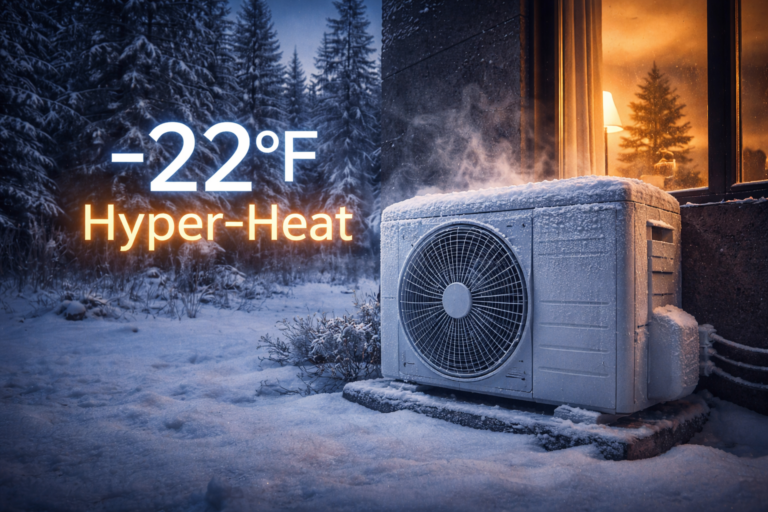
Because a mini split moves heat rather than creating it (Heat Pump technology), it is incredibly efficient down to temperatures as low as 5°F or even -13°F depending on the model (like MrCool’s Hyper Heat).
Conclusion: An Investment That Pays You Back
Installing a mini split is expensive upfront, but it is one of the few home upgrades that puts cash back in your pocket every month.
By choosing a high-SEER unit and—most importantly—sizing it correctly, you can enjoy comfort without dreading the mailbox at the end of the month.
👉 Calculate your exact BTU needs now and stop overpaying for electricity.